

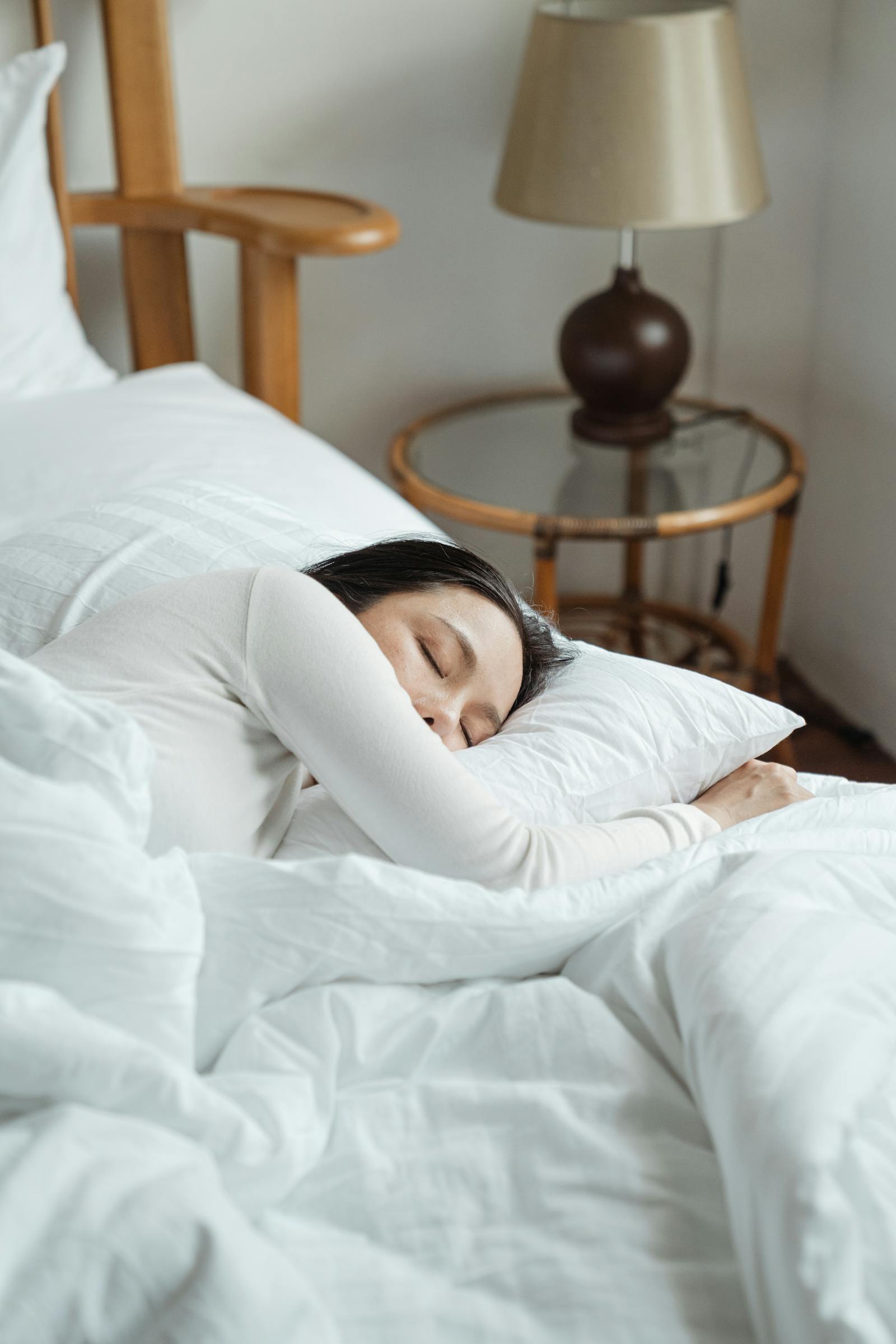
We often think of sleep as something that happens at night. Yet the preparation for a good night begins in the morning. Our body’s internal clock — our circadian rhythm — is set mainly by light.
Morning light
Spending a few minutes in daylight within the first hour after waking tells your biological clock that the day has begun. This simple habit can also make it easier to fall asleep in the evening.
The rhythm of the evening
- Say goodbye to screens. Reduce screen light an hour or two before bed.
- A cool, dark room. Turn your bedroom into a cool, dark and quiet sanctuary.
- Regular hours. Try to go to bed and get up at the same times every day, including weekends.
- No caffeine in the afternoon. The effects of caffeine can last into the night.

Measuring your sleep
Sleep complaints become more meaningful when assessed together with stress load, eating patterns and hormonal balance. In our clinical psycho-neuro-immunology approach, sleep is treated as one of the cornerstones of health.
This article is for general information only and does not replace medical advice.