

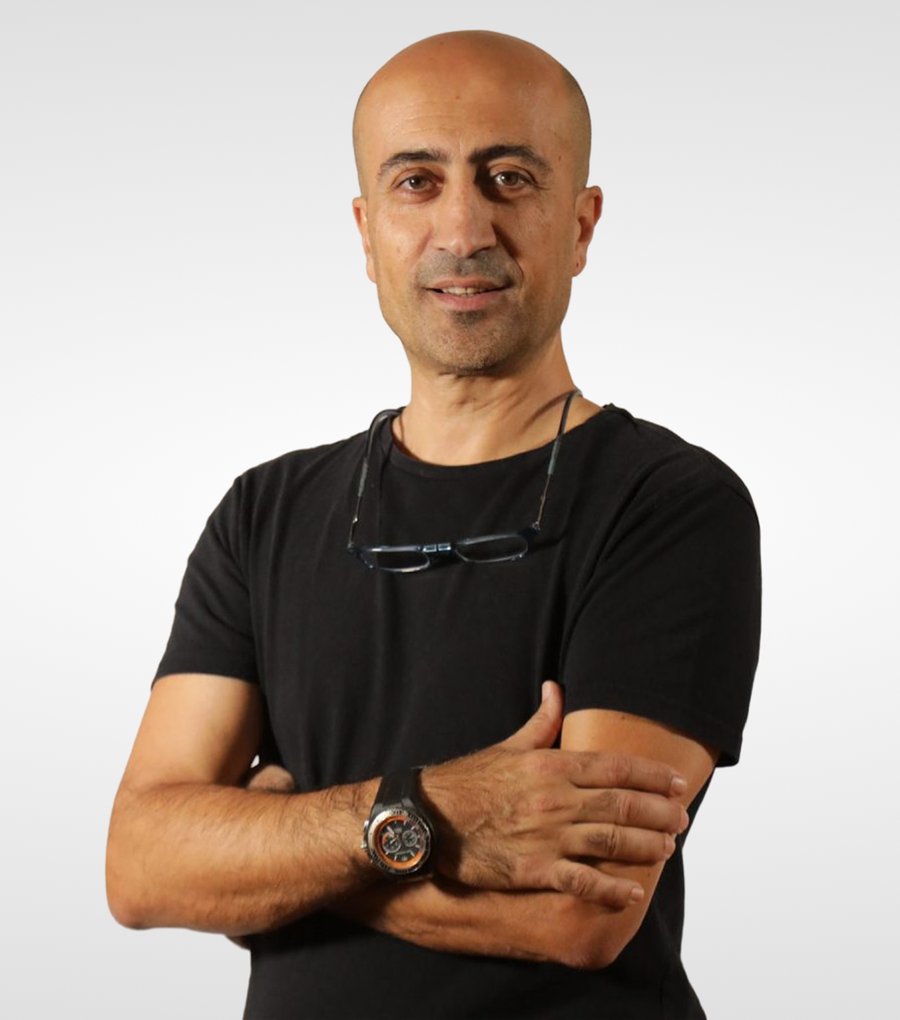
A painful knee, chronic fatigue or back pain that will not go away... We usually think of these problems as local. But what if they are all signals pointing to the same root — our cells? We spoke to specialist physiotherapist Suat Dülger, known for his holistic approach combining osteopathy, clinical psycho-neuro-immunology and Intermittent Living, about the body’s complex yet flawless system and the place where everything begins: the cell.
Mr Dülger, your areas of expertise range from the musculoskeletal system to psychology, and from the immune system to lifestyle interventions. How does the philosophy behind the title of our interview, "Everything Begins in the Cell", bring these different disciplines together?
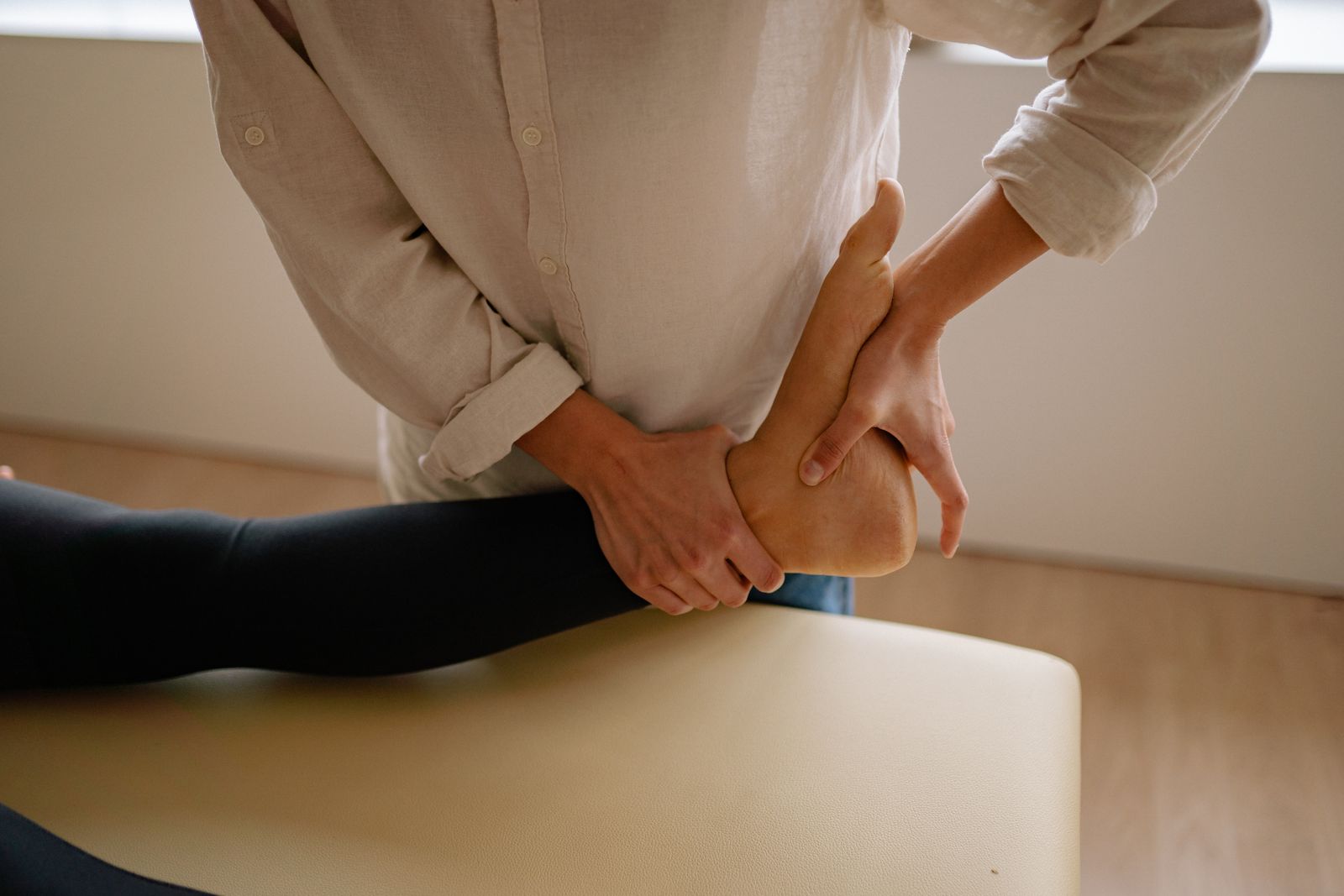
Suat Dülger: This philosophy is really the foundation of everything. We are not a collection of organs or bones, but a living ecosystem made up of trillions of cells. For example, focusing only on the shoulder of a client who comes in with shoulder pain is like silencing the alarm of a burning house. While we resolve the mechanical problem in that area with osteopathy and manual therapy, we must ask ourselves: "What started this fire — this inflammation?" This is where clinical psycho-neuro-immunology (cPNI) comes in. Chronic stress (psycho) affects our immune system (immuno) via our nervous system (neuro), creating a low-grade, chronic inflammation. This prevents our cells from working properly. In other words, the root of shoulder pain may actually be stress at the cellular level.
That is very illuminating. It is surprising how deeply stress and our thoughts affect our cells. So where does the concept of "Intermittent Living" fit into this equation?
Suat Dülger: If cPNI helps us understand the cause of the problem, Intermittent Living offers one of the most powerful solutions. Modern life keeps us in a permanent comfort zone: we are always fed, always at the ideal temperature, always comfortable. But our ancestors did not live like this, and our cells are not adapted to this comfort. Intermittent Living is the art of making the body stronger and more resilient by exposing it to short, controlled stressors. For example, intermittent fasting triggers autophagy, the cells’ own self-cleaning mechanism. Exposure to cold (such as a cold shower) strengthens the mitochondria, our power plants. Short, intense exercise activates growth hormones. These "stress in the right dose" practices effectively give our cells a "reset" and return them to their natural, healthy rhythm.
So, on the one hand you correct the body’s structure with manual therapies, and on the other you reprogramme cellular health through lifestyle interventions.
Suat Dülger: Absolutely. The body is a whole. You cannot expect cellular health without correcting your posture, nor lasting physical recovery without improving cellular health. Our aim is to maximise the body’s potential to heal itself. That potential is hidden inside every one of our cells. We simply awaken it by giving the right signals.
Do you have a final message for our readers?
Suat Dülger: Listen to your body. Pain, fatigue, low mood... These are not your enemies; they are messages from your cells. When you learn to read these messages correctly and give your body the chance to regain the primal strength inherited from its ancestors, you will see how attainable health really is. Everything truly begins and ends in the cell.
This article was published in the 2025 issue of the Cellavia magazine.